The CRI Biosecurity Division goal is to protect the Southern African citrus industry through timely identification of biosecurity threats.
By Paul Fourie, Wayne Kirkman, Elma Carstens and Vaughan Hattingh (CRI)
Citrus Research International (CRI) established a biosecurity division in 2016, with a mission to protect the Southern African citrus industry through timely identification of biosecurity threats; the development of preparedness; awareness, early detection, rapid response and impact mitigation plans; and ensuring effective application of the associated actions. Citrus growers are the primary stakeholders of biosecurity, but close collaboration is required with all other role players, such as the National and Provincial Departments of Agriculture, biosecurity service providers, research collaborators, as well as citrus and retail nurseries.
Starting clean is the first line of defense
Planting disease-free propagation material is the primary measure in biosecurity, on citrus farms and in home gardens. Importantly, the South African Citrus Improvement Scheme (CIS) supplies nurseries with the rootstock seed and budwood required to grow citrus trees, and certifies commercial citrus nurseries participating in the South African Citrus Nursery Certification Scheme and the trees produced in these nurseries.
Most citrus trees made in Southern Africa are made with CIS-certified budwood and seed. However, a small percentage – mostly in the retail and informal nursery sectors – are made from sources that are not certified and are potentially unsafe, posing a major biosecurity risk. Devastating diseases have spread to, and within, other countries via the distribution of trees for home garden planting. Citrus is the most popular fruit tree in home gardens. Therefore, it is important to ensure safe and responsible trade in this sector.
Source citrus trees legally
In SA, it is illegal to import citrus trees (or propagation material) from other countries without a permit. Importantly, the permit conditions require cleaning and testing procedures to ensure the material is free from pests and diseases prior to use in the country. This safeguard is vitally important.
Additionally, movement of citrus trees is also prohibited from areas where certain diseases (Citrus Black Spot and African Citrus Greening) occur (KwaZulu-Natal, Mpumalanga, Limpopo, Gauteng and North-West), to disease-free areas (Free State, Western Cape, Northern Cape and Eastern Cape). For more detail, see specific areas detailed in Regulation 110 of the Agricultural Pests Act. While the commercial citrus nurseries comply with these regulations, non-compliance is common in the public trade of citrus trees for home garden and non-commercial planting, often due to a lack of awareness regarding the requirements and related dangers. This highlights an important public awareness challenge that must be addressed in the interest of biosecurity.
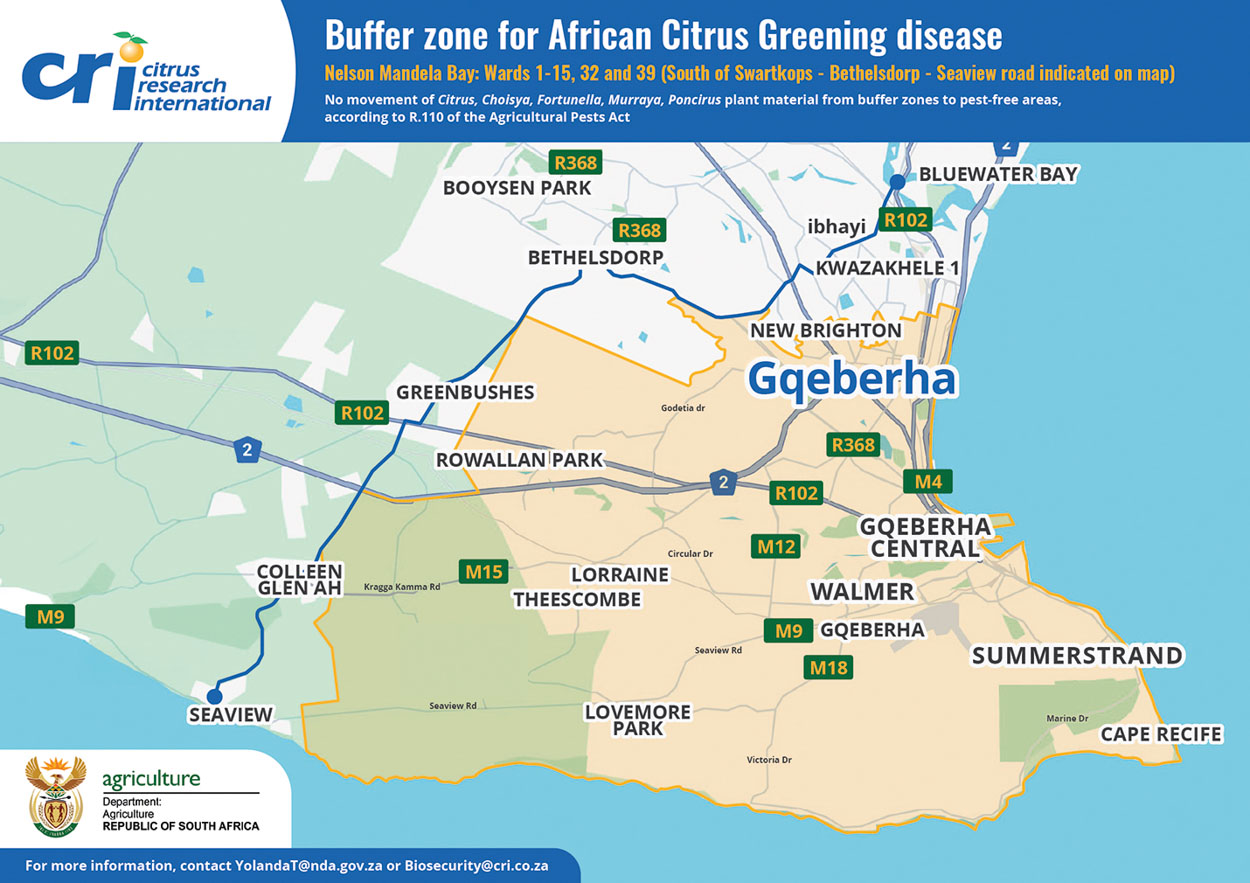
African Citrus Greening has recently been detected in East London, Gqeberha and Knysna, in areas that were previously regarded as African Greening disease-free. The disease was most probably spread to these areas via retail nurseries that (illegally) sourced citrus trees from nurseries in areas where African Greening occurs, or via informal traders or residents buying trees in areas where African greening occurs. They may have travelled in such areas and planted the trees in their home gardens. The Department of Agriculture (DoA) has declared affected areas in these cities as buffer zones, and actions are being taken to contain the disease in these zones. Importantly, movement of trees from these Greening-areas to disease-free areas is now prohibited (the buffer zone in Gqeberha is shown in Figure 1). CRI will work closely with the DoA and the Provincial Departments of Agriculture to ensure compliance with the Control Measures as published in Regulation 110 of the Agricultural Pests Act.
Focused awareness campaigns directed at the retail nursery sector
Crucially, biosecurity awareness ensures that all stakeholders understand the risks and safeguards. CRI has been “preaching the Biosecurity gospel” to citrus growers over many years. However, there’s a lack in awareness aimed at the public, and informal and retail nursery sectors.
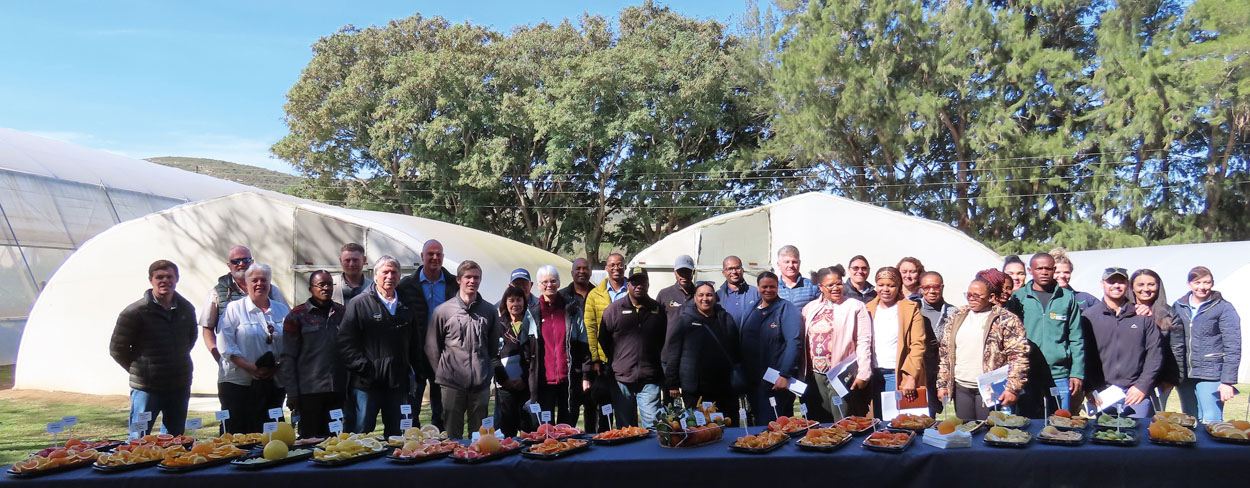
CRI Biosecurity personnel have visited all the retail nurseries in East London, Gqeberha and Knysna to inform them of the new regulations, and to assess compliance with national movement restrictions. An Open Day was held at the CRI Citrus Foundation Block for these nurseries, to improve their understanding of the key role of the citrus industry in Southern African agriculture, as well as the biosecurity safeguards required to ensure its sustainability.
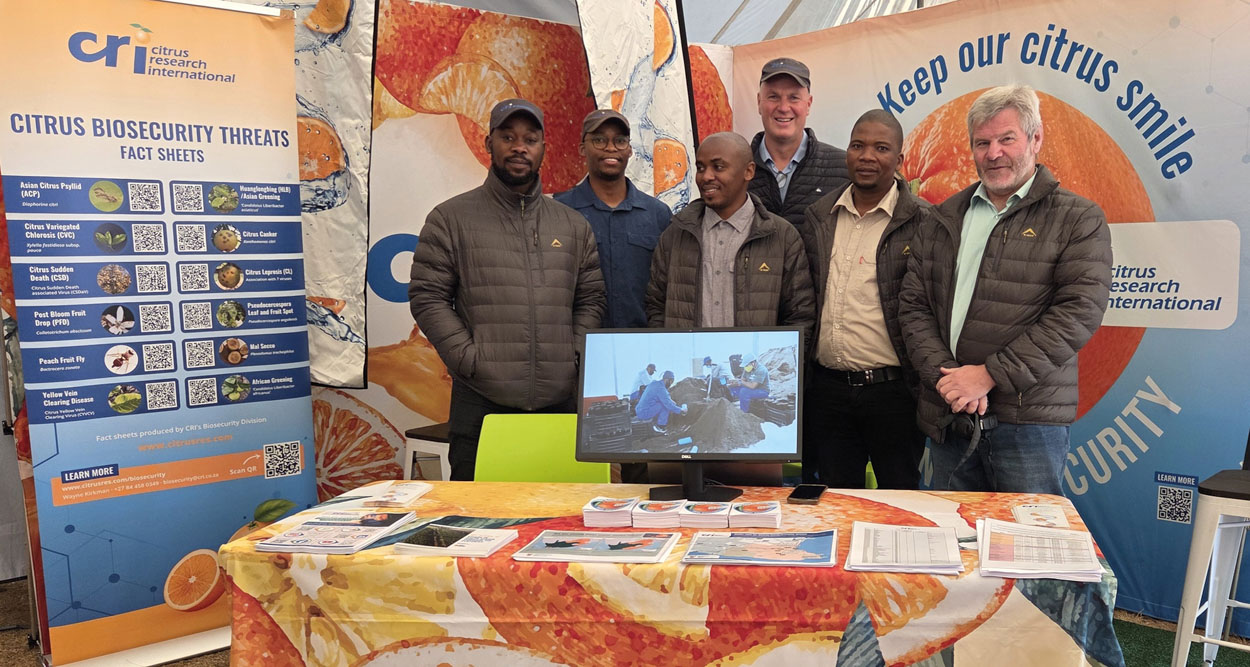
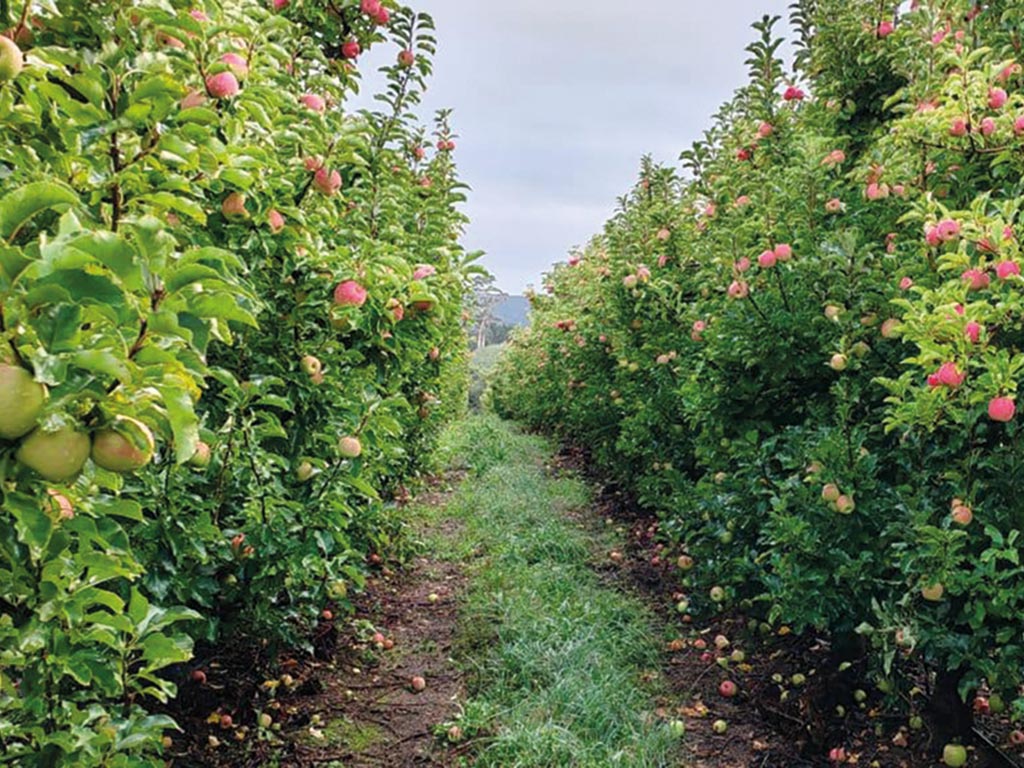
CRI also liaised closely with the South African Nurseryman’s Association (SANA), to emphasize the importance of compliance with the regulations. SANA invited CRI Biosecurity to exhibit at the SANA Spring Trade Fair in Krugersdorp (Gauteng), which proved to be an excellent forum to create citrus biosecurity awareness amongst wholesale and retail nurseries (Figure 3). Through SANA, CRI also exhibited at their Cape Green Trade Day outside Paarl in the Western Cape, as another awareness exercise (Figure 4).
Figure 2. Open Day at the CRI Citrus Foundation Block to support biosecurity awareness in the retail nursery sector in Gqeberha, East London and KnysnaFigure 3. CRI Biosecurity Field Officers, Xolani Sibiya, Tshepang Makitla, Chuma Situnda and Njabulo Mngomezulu, with Biosecurity Operations Coordinator, Wayne Kirkman and Biosecurity Manager, Paul Fourie at the SANA Spring Trade Fair in Krugersdorp, 13 August 2025
Interaction with nurseries at these trade days, as well as during nursery visits, clearly highlighted the commitment of the sector to biosecurity in general, as well as their willingness to support citrus biosecurity measures. Importantly, the wholesale and retail nurseries clearly highlighted the need for “safe” sources of citrus trees in their regions. Please scan the QR code to download the list of CIS-certified nurseries.
Next, CRI will provide nurseries with guidelines on growing citrus trees in home gardens. Citrus in Southern Africa will certainly be more biosecure if citrus trees are sourced and grown safely in home gardens.
All interactions to date have been extremely well received, and the citrus industry is already benefitting from these initiatives. CRI will continue to expand citrus biosecurity awareness to the retail and informal nursery sector. Over time, the retail nursery sector and the many garden enthusiasts it serves across the country will become an invaluable resource to broaden the citrus biosecurity awareness and surveillance footprint to (1) prevent incursions of exotic pests and diseases, (2) support early detection of such incursions, and (3) to support eradication or containment measures.
We use cookies on our website to give you the most relevant experience by remembering your preferences and repeat visits. By clicking “Accept All”, you consent to the use of ALL the cookies. However, you may visit "Cookie Settings" to provide a controlled consent.
This website uses cookies to improve your experience while you navigate through the website. Out of these, the cookies that are categorized as necessary are stored on your browser as they are essential for the working of basic functionalities of the website. We also use third-party cookies that help us analyze and understand how you use this website. These cookies will be stored in your browser only with your consent. You also have the option to opt-out of these cookies. But opting out of some of these cookies may affect your browsing experience.
Necessary cookies are absolutely essential for the website to function properly. These cookies ensure basic functionalities and security features of the website, anonymously.
Cookie
Duration
Description
cookielawinfo-checkbox-analytics
11 months
This cookie is set by GDPR Cookie Consent plugin. The cookie is used to store the user consent for the cookies in the category "Analytics".
cookielawinfo-checkbox-functional
11 months
The cookie is set by GDPR cookie consent to record the user consent for the cookies in the category "Functional".
cookielawinfo-checkbox-necessary
11 months
This cookie is set by GDPR Cookie Consent plugin. The cookies is used to store the user consent for the cookies in the category "Necessary".
cookielawinfo-checkbox-others
11 months
This cookie is set by GDPR Cookie Consent plugin. The cookie is used to store the user consent for the cookies in the category "Other.
cookielawinfo-checkbox-performance
11 months
This cookie is set by GDPR Cookie Consent plugin. The cookie is used to store the user consent for the cookies in the category "Performance".
viewed_cookie_policy
11 months
The cookie is set by the GDPR Cookie Consent plugin and is used to store whether or not user has consented to the use of cookies. It does not store any personal data.
Functional cookies help to perform certain functionalities like sharing the content of the website on social media platforms, collect feedbacks, and other third-party features.
Performance cookies are used to understand and analyze the key performance indexes of the website which helps in delivering a better user experience for the visitors.
Analytical cookies are used to understand how visitors interact with the website. These cookies help provide information on metrics the number of visitors, bounce rate, traffic source, etc.
Advertisement cookies are used to provide visitors with relevant ads and marketing campaigns. These cookies track visitors across websites and collect information to provide customized ads.